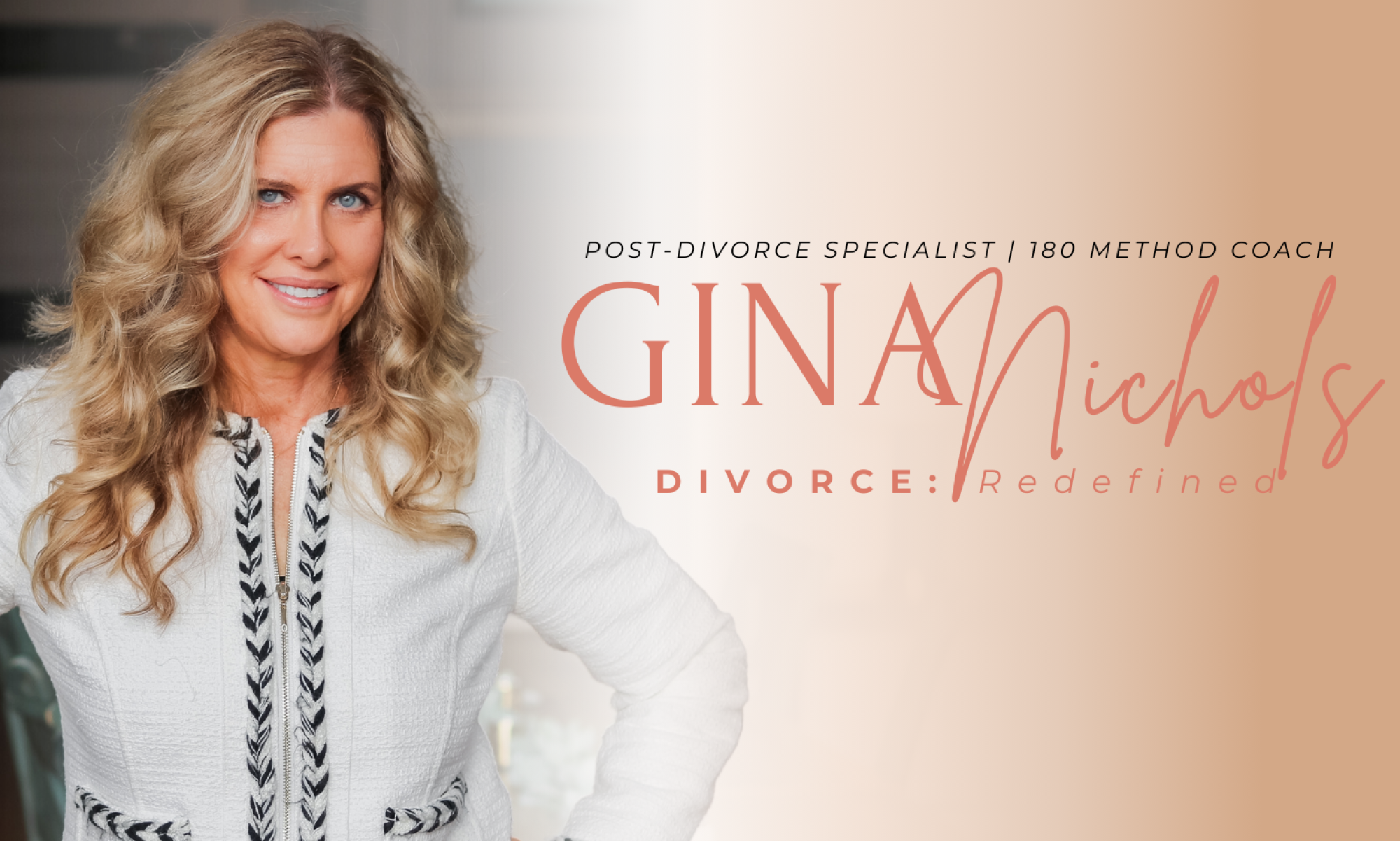

Growing up the youngest in a family full of firstborns and an only child dad was… a lot. My mom and sister were the classic overachievers—driven, busy, and always on the move. My dad, as an only child, carried that quiet expectation of doing things right the first time.
And then there was me.

Sensitive, emotional, free-spirited—but never quite able to live up to the expectations my family seemed to carry so effortlessly. I was smart, but always late. I did well in school, but getting assignments in on time was another story. Crying came naturally to me, but it was always met with confusion or discomfort—nobody else did that.
Eventually, trying to follow in my sister’s footsteps became exhausting. So, I did what the baby of the family sometimes does—I rebelled. If I couldn’t be the best, maybe I’d just stop trying altogether.
I didn’t know it then, but that tension—the sensitive heart trying to survive in a high-achieving world—would shape me not only as a person but later as a mom.
And Then Came My Daughter
My firstborn daughter entered the world like she had a checklist in hand—and honestly, she probably did. From the start, she was the planner, the doer, the one always five steps ahead. I joke that she’s been the responsible one since birth.
Family trips? She had packing lists for both of us—lists I still use to this day.
Need an Uber? She had it booked.
School assignments? Finished days early.

She carried a drive and determination I both admired… and envied. Not in a bitter way, but in that way you look at your kid and think, “Wow, how did you get so good at this?”
Sometimes I’d tease her when she took charge of her younger siblings—“Okay, okay, I’ll go ahead and be the mom now.”
And she’d give me that look—equal parts love and “Fine… but I could probably do it better.”
The truth is, we worked well together. I think sometimes she appreciated that I wasn’t hard on her because, honestly, she was already hard enough on herself.
The Emotional Gap Between Us
There was always this subtle emotional gap between us—me, the Type B mom who craved downtime and ease… and her, the Type A daughter who thrived on structure and doing.
What I had to learn—and honestly, it took me a while—is that telling her, “It’s not that big of a deal,” wasn’t helpful. What felt small to me was huge to her. Dismissing it didn’t ease her anxiety; it just made her feel unseen.

Instead, I learned to meet her where she was. To let her know, “Yes, you’re incredible in school, and yes, I’m so proud of that… but that’s not what I love most about you.”
Because someday, the grades stop coming, the trophies gather dust… and all that’s left is who you are. I wanted her to know that was enough.
Parenting Her Helped Me Heal Myself
In so many ways, parenting my daughter forced me to revisit my own childhood wounds. There were moments it felt like I was raising my sister—a strange déjà vu that brought up a lot of old emotions.

But this time, I got to do it differently.
I realized that parenting well isn’t about treating every kid the same—it’s about seeing who they are and giving them what they need. Not what makes me comfortable. Not what worked for me. But what works for them.
And honestly? That lesson made me a better mom—and a better person.
The Layer of Being an “Only” and a “First”
Of course, there was another dynamic at play: my daughter wasn’t just my firstborn—she was also the only child between her dad and me.
We both went on to have other children, and she’s shared with me how that often made her feel like an outsider—belonging everywhere and nowhere all at once.

I felt that weight too. But it also gave us something special—pockets of time that were just ours. Moments where it was her and me, no siblings, no distractions. I tried hard to protect those moments, knowing how important it was that she felt seen—not just as the helper or the big sister, but as my girl.
What I Know Now
Raising a Type A daughter as a Type B mom hasn’t always been easy—but it’s been one of the greatest gifts of my life.
She’s taught me the power of showing up.
I’ve taught her the importance of slowing down.
And together, we’ve learned that love isn’t about changing each other—it’s about seeing each other. Celebrating the ways we’re different. Honoring the ways we’re the same.
And maybe—just maybe—healing a little bit of our childhood selves along the way.
If You’re a Type B Mom Raising a Type A Daughter…
Here’s what I’ll leave you with: ✨ Don’t dismiss her drive. It’s part of who she is.
✨ Remind her often that her achievements don’t define her.
✨ Let her teach you. Seriously—watch her, learn from her organization and drive.
✨ Be her safe space. Because the world will be hard on her—she doesn’t need you to be too.